Last Updated on April 23, 2026 by Alex
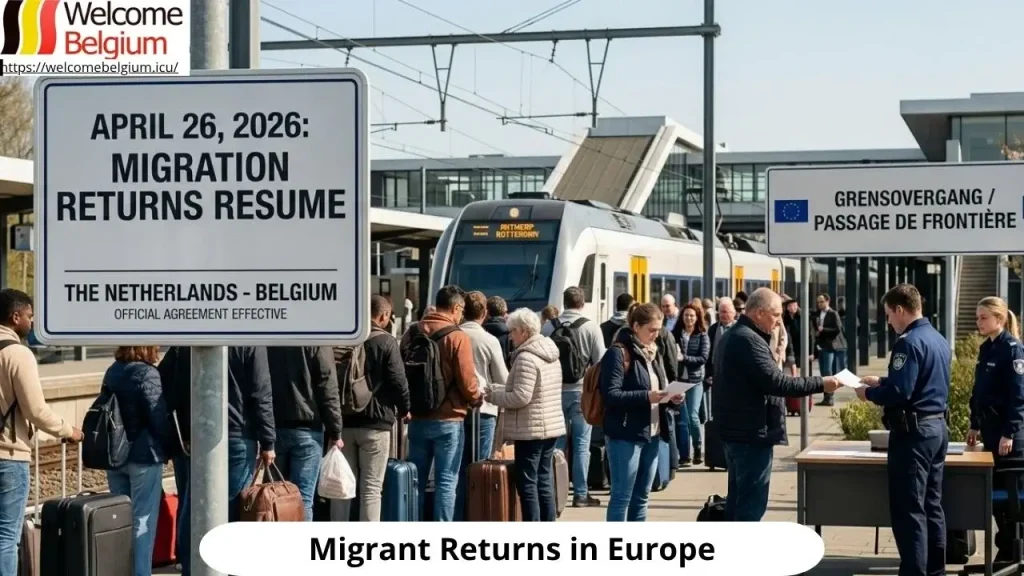
Belgium News, April 23, 2026. The migration landscape in the Benelux region is entering a new phase. On April 22, 2026, Dutch authorities officially confirmed the resumption of asylum seeker transfers to Belgium under the Dublin Regulation. This decision marks the end of a period of temporary leniency caused by the reception crisis in Belgium in previous years.
For those monitoring EU migration policy, this move was expected; however, its implications for Belgian infrastructure and legal enforcement require a detailed analysis.
The Essence of the Dublin Regulation and Current Context
The Dublin Regulation is a fundamental EU legal framework that determines which member state is responsible for examining an asylum application. In most cases, this is the first EU country the applicant entered and where their biometric data was recorded.
In recent years, Belgium faced immense pressure on its Fedasil reception center system, leading to numerous lawsuits and a temporary inability to provide housing for single male asylum seekers. Consequently, neighboring countries, including the Netherlands, temporarily suspended returns for this category to avoid exacerbating the humanitarian situation in Brussels and other major cities.
The history of the Belgian migration crisis has seen several key periods where returns were impossible: from the first major suspension in 2021 to the protracted crisis of 2023–2024, documented by ECHR rulings and reports in The Brussels Times. The latest technical pause, which lasted since November 2025, officially ended on April 22, 2026, following notifications of expanded housing capacity. This allowed the Netherlands and other neighbors to revert to standard migrant transfer procedures.
What Changed on April 22, 2026
The Netherlands announced that conditions in Belgium have stabilized enough to permit the resumption of standard transfer protocols. This decision primarily affects single men who were previously in a state of legal “limbo” on Dutch territory.
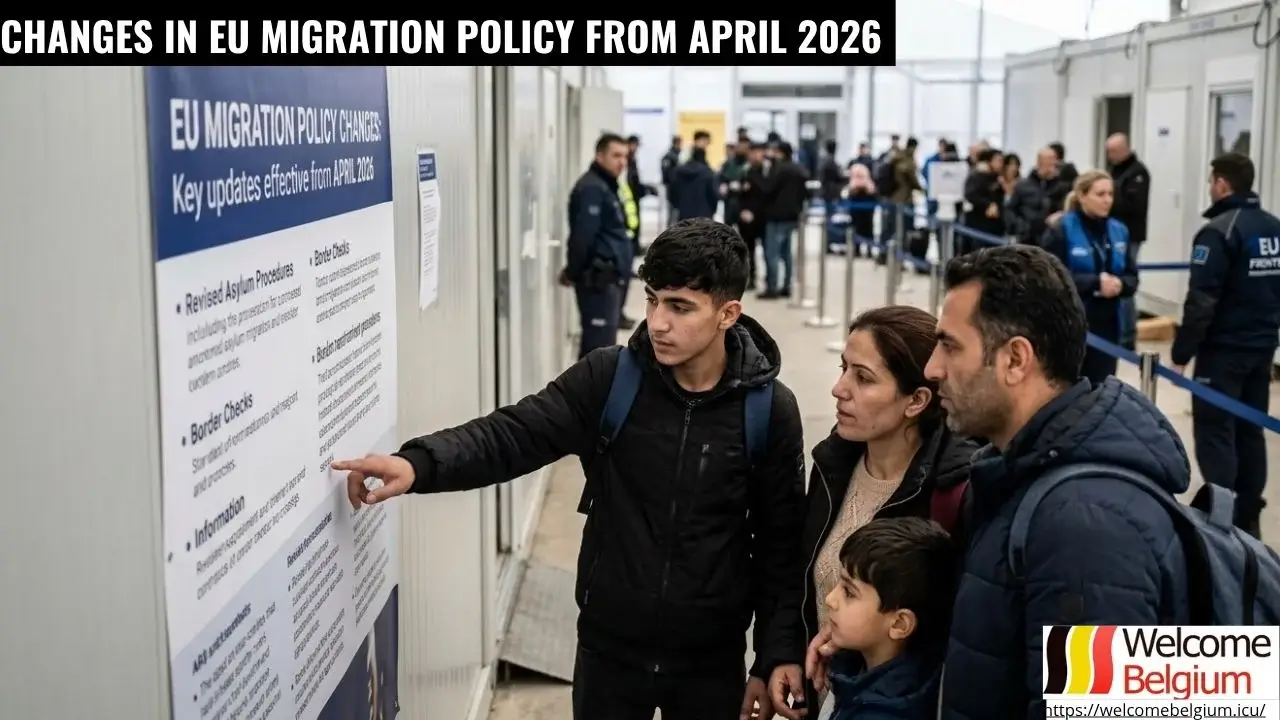
Key Aspects of the Decision:
- Target Group: Single traveling men whose fingerprints were first registered in Belgian databases.
- Rationale: Improved capacity in Belgian migration centers and the stabilization of Fedasil’s
- Mechanism: Forced or voluntary transport of applicants, supervised by the Dutch Immigration and Naturalization Service (IND), to the Belgian border.
According to the latest data from the IND (Immigratie- en Naturalisatiedienst), the resumption of these procedures will affect a significant group of individuals who have accumulated in Dutch border centers over recent months.
Based on current Dublin Regulation request statistics, it is projected that Belgium will receive between 150 and 300 individuals per month. The majority of this influx will consist of single men whose data is already recorded in the Eurodac system.
Consequences for the Belgian Reception System (Fedasil)
The resumption of returns will inevitably lead to an increased burden on Belgian resources. Despite the formal “improvement of the situation,” experts note that the system’s reserves remain limited. In the coming weeks, an increase in the number of primary applications at Belgian registration centers is expected from individuals deported from the Netherlands.
Operational indicators for the federal agency Fedasil for April 2026 demonstrate a critical load on state infrastructure: the total occupancy of the reception center network has reached 96.4%.
Out of a total pool of 35,000 places, fewer than 1,200 remain vacant, as confirmed by the agency’s regular capacity reports. Consequently, the average waiting time for registration for new arrivals in Brussels can be up to 10 working days, forcing authorities to seek additional temporary housing solutions.
Summary Table of Migration Changes (April 2026)
| Parameter | Description of Changes | Status as of 04/22/2026 |
| Region of Action | Netherlands — Belgium Border | Active |
| Category of Persons | Single men (asylum seekers) | Resumption of deportations |
| Legal Basis | Dublin Regulation | Full application |
| Receiving Party | Fedasil (Belgium) | Elevated readiness level |
Analysis and Recommendations from WelcomeBelgium
From a legal practice perspective, this event signals that the “window of opportunity” for migration transit within the Benelux countries is closing. Authorities in both countries are striving for stricter compliance with procedures to avoid the accumulation of people in unofficial camps.
Key points to consider:
- Movement History Check: If an applicant is registered in Belgium, the chances of legalization in the Netherlands are extremely low, according to the application of the Dublin Regulation. The system is fast and efficient.
- Queue Times: Temporary delays in processing new applications are possible in Belgium due to the sudden influx of people from the neighboring country.
- Legal Assistance: Seek consultation from accredited lawyers to assess the chances of obtaining status, considering the resumed Dublin procedures.
In conclusion, the Dutch decision of April 22 is a step towards restoring “normalcy” in the eyes of European bureaucrats, but it represents a serious challenge for Belgian social services. We will continue to monitor the situation and inform you of any changes in real-time.
Disclaimer: This article is for informational purposes only and does not constitute legal advice. For decisions related to migration status, always consult with specialized professionals.
Sources:
- Vandaagenmorgen.nl— Official statement of the Dutch migration authorities, 04/22/2026.
- Analytical data from the icu portal.